
Abortion isn’t only for straight cis women

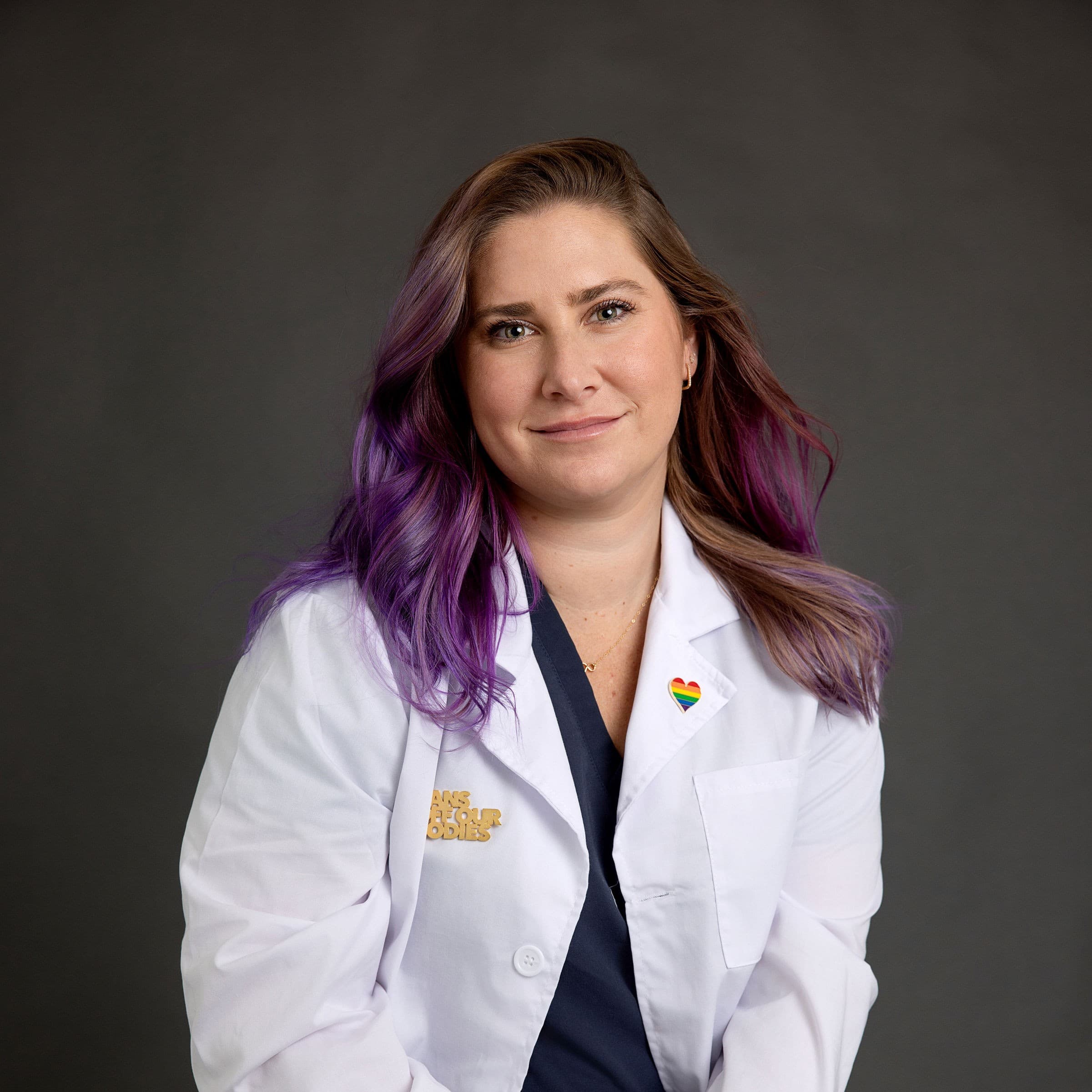
Happy Pride Month! June is one of our favorite months of the year, not only because the weather is warm and school is out, but it’s also a great time to celebrate and raise awareness around the beautiful spectrum of identities of lesbian, gay, bisexual, transgender, queer, questioning, intersex, asexual, and agender people!
It’s also a great time for us to reflect on the fact that reproductive health care isn’t only for straight, cisgender women. Although many people talk about reproductive health as a “women’s issue,” many LGBTQIA+ people, including lesbian and bisexual women and people, transgender men, non-binary and gender non-conforming individuals, use birth control, can get pregnant, have abortions, carry pregnancies, and become parents. Despite this fact, many LGBTQIA+ people experience disproportionate challenges in accessing sexual and reproductive healthcare.
Sometimes it’s helpful to read a personal story to better understand what it feels like to be in someone else's shoes. Below we’ve added a collection of stories in the resources link, but we wanted to especially highlight this great piece from Allure, “Why I Didn’t Tell My Doctor I’m Trans Before My Abortion in which three trans men and non-binary people talk about their abortion experiences.
At carafem, we believe healthcare should be easy to understand and easy to get. It should be centered around you and what you need.
Everyone comes to care with their own story. Your identity matters. We work to provide abortion care and birth control in a way that respects all parts of who you are, including your sexual orientation, gender, gender identity and expression, race, ethnicity, immigration status, income, ability, and age.
We also know we are not the first to do this work.
Abortion care in the U.S. has been shaped by Black, Indigenous, and people of color, including LGBTQIA+ healers, midwives, doulas, and care providers. Many have kept showing up for their communities, even when systems made it harder through racism, sexism, and other barriers.
Pride has roots in that same history. It exists because of people who fought to be seen and treated with dignity. Leaders like Marsha P. Johnson, Audre Lorde, and Miss Major Griffin-Gracy helped move that work forward.
This is also where the idea of Reproductive Justice comes from. It means everyone should be able to make decisions about their bodies and their futures, and have the support to do so safely.
At carafem, we believe everyone deserves care that feels respectful, safe, and right for them.
Resources to learn more and feel less alone
We know that finding information about abortion care that actually reflects your identity can be hard.
A lot of what exists online is still written with one kind of person in mind. And when you do not see yourself in the language, the stories, or the care, it can make an already vulnerable experience feel even more isolating.
That is why we are sharing these resources.
Some offer clear, factual information. Some challenge the way we talk about reproductive health. And some are personal stories from people who have been in your shoes. All of them help paint a fuller, more honest picture of what abortion care really looks like across different identities.
You do not have to read everything. You do not have to relate to every story. But if you have ever felt like you were the only one navigating this, these are a place to start.
News Articles and Other Resources
These pieces help explain the bigger picture. They challenge common assumptions and expand how we think about who abortion care is for.
Trans Leadership Initiative (TLI) Digital Library — Spark Reproductive Justice
Women Aren’t The Only People Who Get Abortions — HuffingtonPost
Queering Reproductive Health, Rights & Justice — National LGBTQ Task Force
Personal Stories
Sometimes the most powerful way to understand an experience is to hear it directly from someone who has lived it. These stories speak to identity, safety, stigma, and what it actually feels like to navigate care.
Why We Need Gender Neutral Language for Abortion Access — Everyday Feminism
Guest Post: I’m A Man And I Had An Abortion — The Belle Jar (Content Warning: sexual assault and transphobia)
Why I Didn’t Tell My Doctor I’m Trans Before My Abortion — Allure
There is also a powerful podcast episode by the Rewire News Group featuring a nonbinary person sharing their experience with abortion care and gender dysphoria. For some people, hearing someone speak about it out loud can feel more real and more grounding than reading alone.
Organizations
These groups are working to make reproductive healthcare more inclusive, more accessible, and more just. They offer education, advocacy, support, and community.
If you need abortion care or have questions about your options, carafem is here for you. We provide care that respects your identity, uses your name and pronouns, and meets you where you are. You deserve care that feels safe, clear, and supportive.

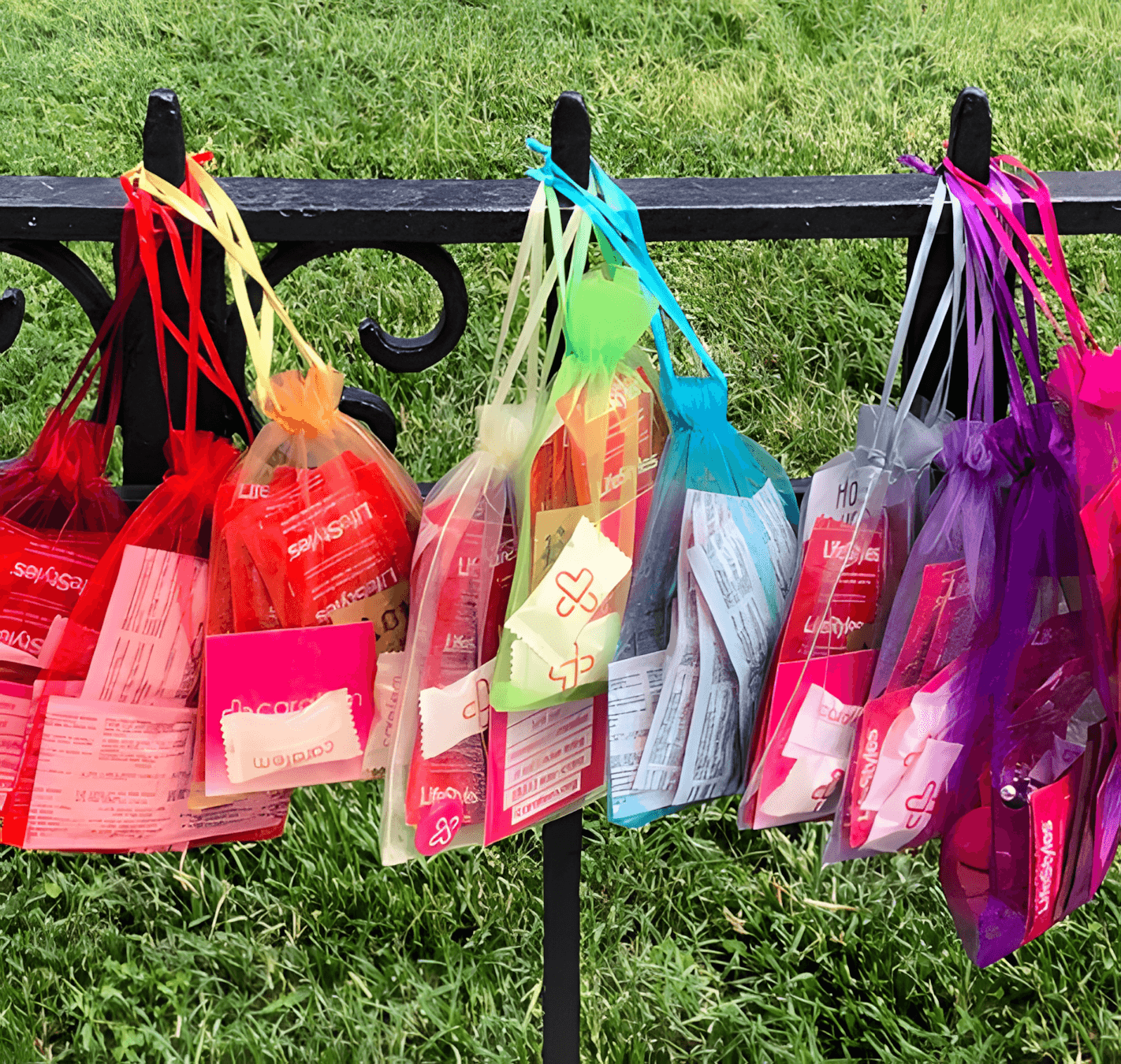

Stay connected with carafem.
Subscribe for honest reproductive health information, carafem updates, and resources worth reading.